8-9世纪印度帕拉风格石雕释迦牟尼佛立像(旧金山亚洲艺术博物馆)
尺寸:77.2 cm × 44.1 cm × 19.4 cm, 97.1 kg
年代:8-9世纪
质地:石雕
风格:帕拉
来源:旧金山亚洲艺术博物馆
参阅:外部链接
鉴赏:
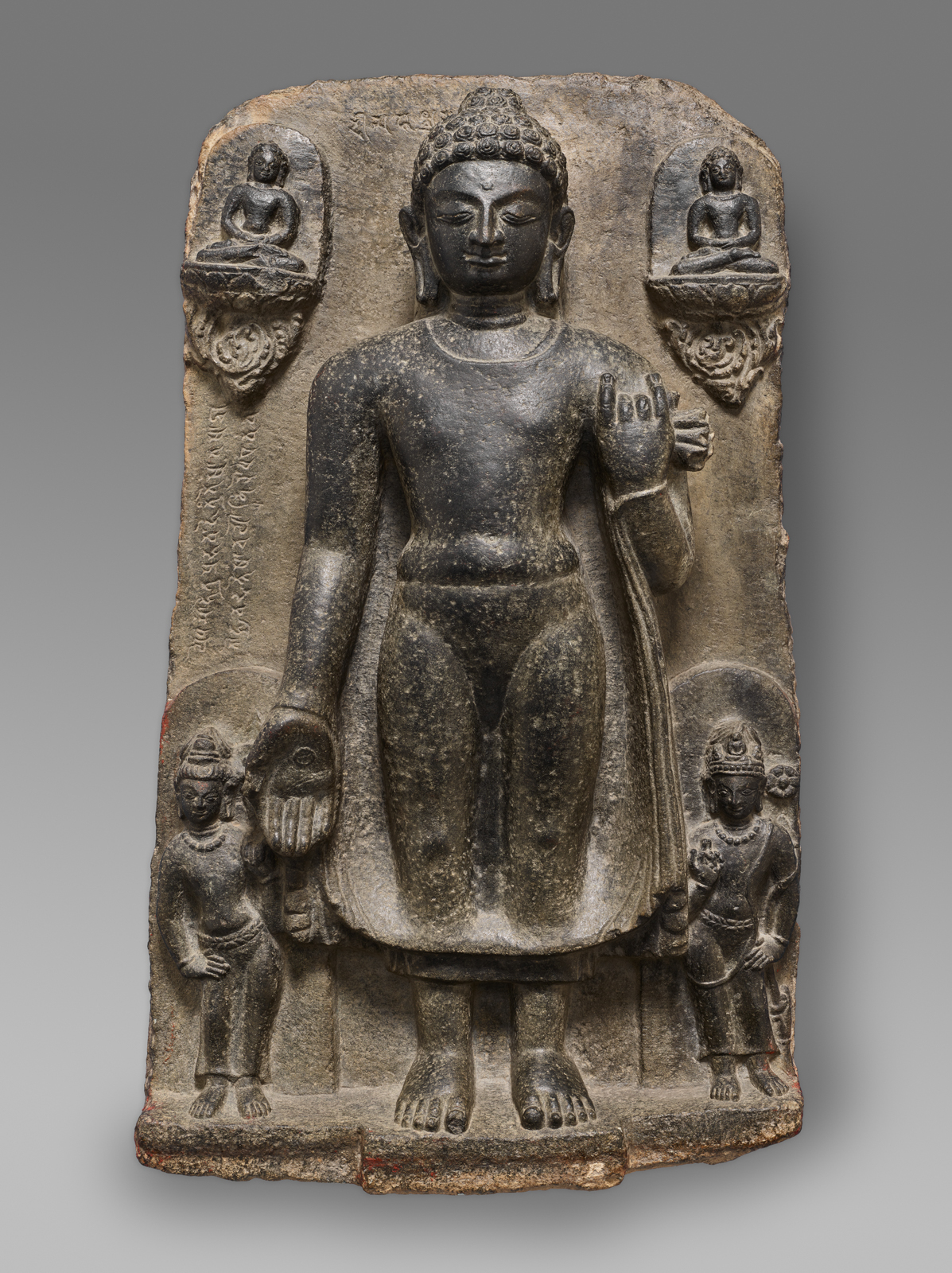
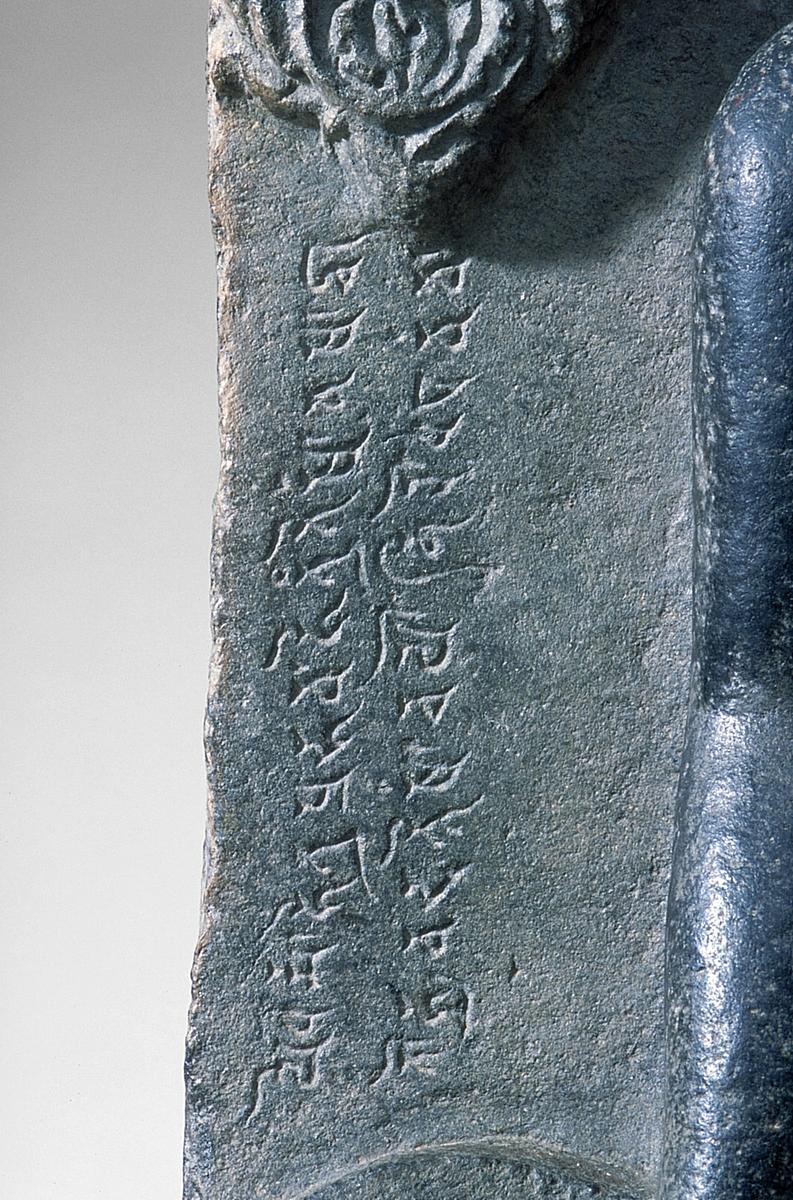
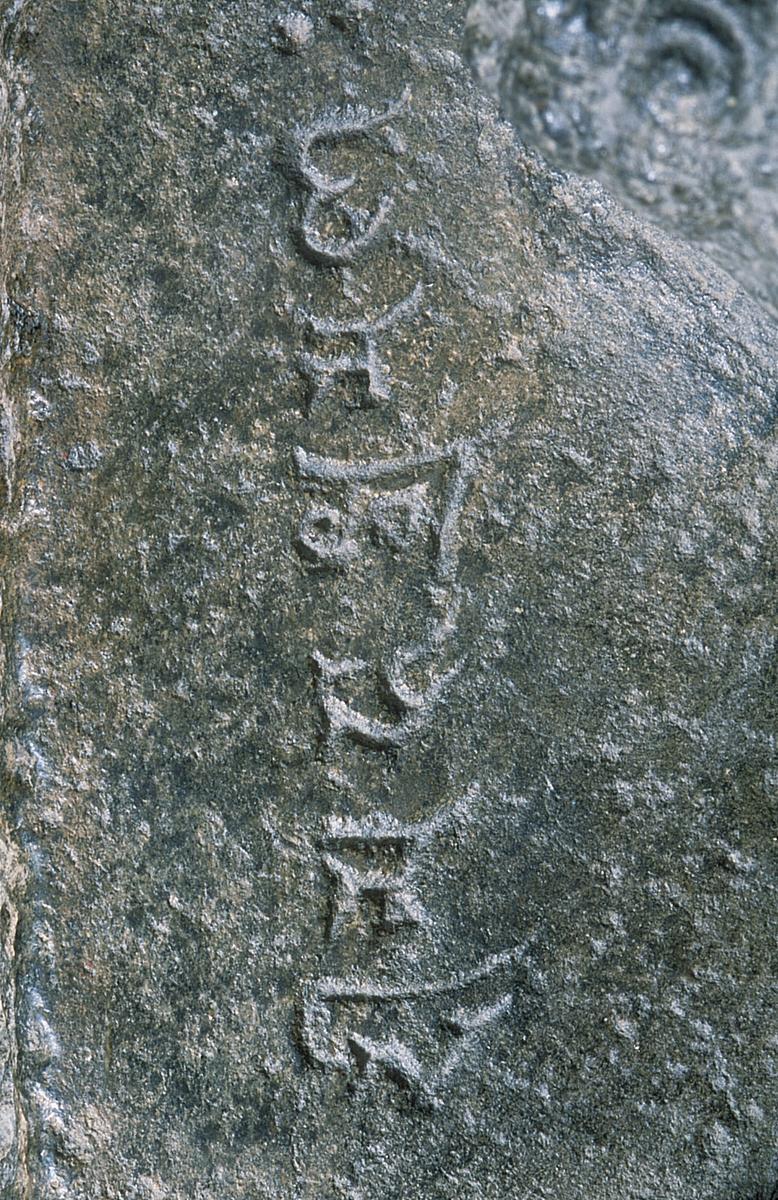 Standing Buddha flanked by bodhisattvas and seated Buddhas
Bihar state, India; Bihar state
Date approx. 700-900
The Buddha is flanked by the bodhisattvas Maitreya and Avalokiteshvara. Maitreya, on the Buddha's right, is identified by the stupa in his hairdress. Avalokiteshvara, on the Buddha's left, is identified by the small buddha image in his hairdress. Triads of a standing Buddha and these two bodhisattvas seem to have been popular in Bodhgaya (the site of the Buddha's enlightenment) but not elsewhere in northeastern India. It is not certain what the grouping may have signified. One scholar has suggested that these bodhisattvas may have represented the benevolence (characteristic of Maitreya) and compassion (characteristic of Avalokiteshvara) that are important components of buddhahood.
佛陀两侧胁侍着弥勒菩萨与观世音菩萨。位于佛陀右侧的弥勒菩萨以发髻中饰有佛塔为标识;左侧的观世音菩萨则以发髻中化现小佛像为特征。这种由立佛与二菩萨构成的三尊组合形式,似乎在佛陀成道圣地菩提伽耶尤为流行,而在印度东北部其他地区则较为罕见。这一组合的具体象征意义尚未有定论。有学者提出,二菩萨可能分别代表了佛性中两大重要特质:弥勒象征“慈”(悲悯众生),观音象征“悲(拔苦救难),二者共同诠释了圆满觉性的精神内涵。