
侧边栏

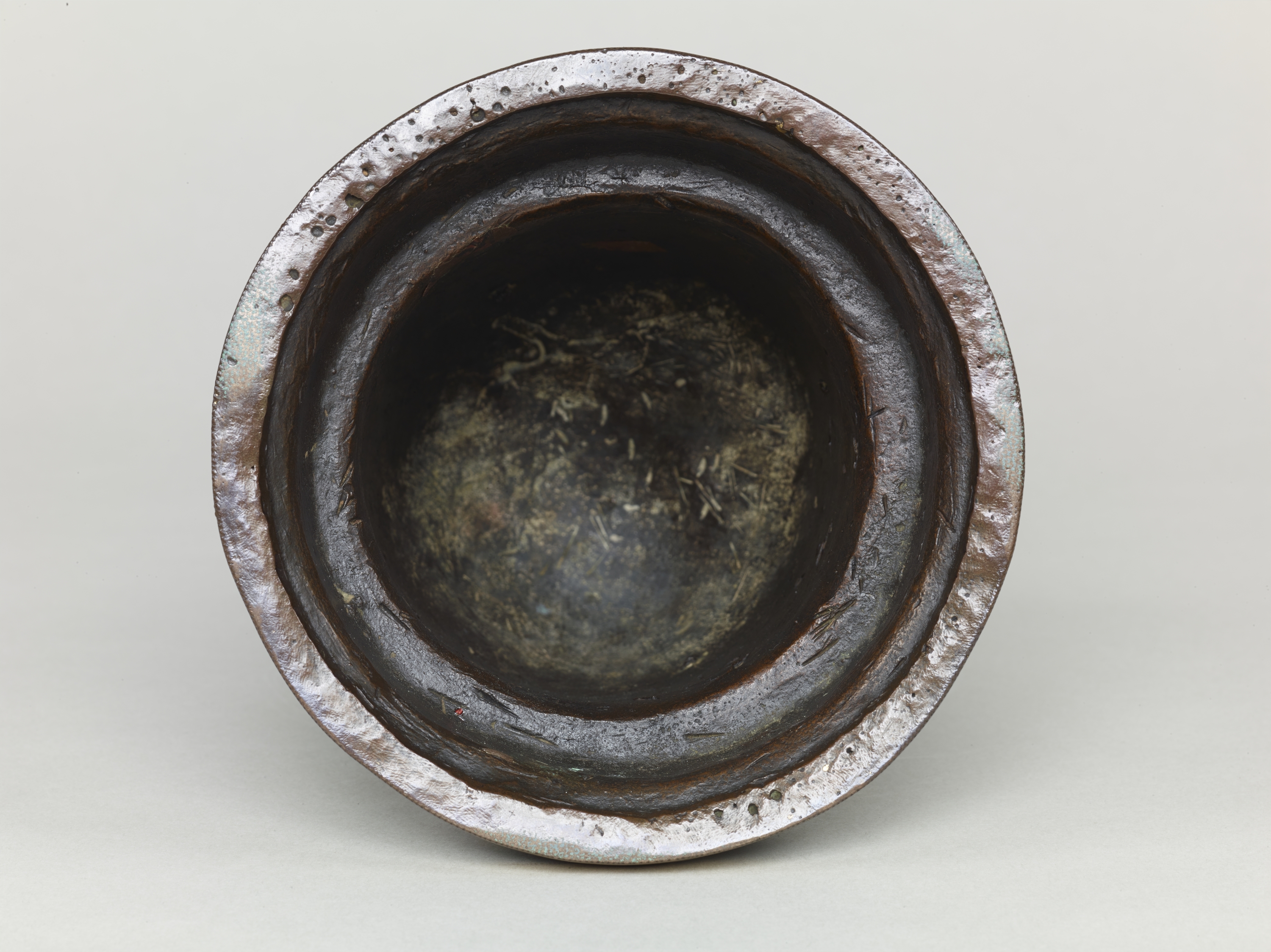
7世纪日本铜鎏金思惟弥勒菩萨(东京国立博物馆)
尺寸: 不详
年代: 7世纪 飞鸟时代
质地: 铜鎏金
风格: 日本
来源: 东京国立博物馆
参阅: 外部链接
鉴赏:
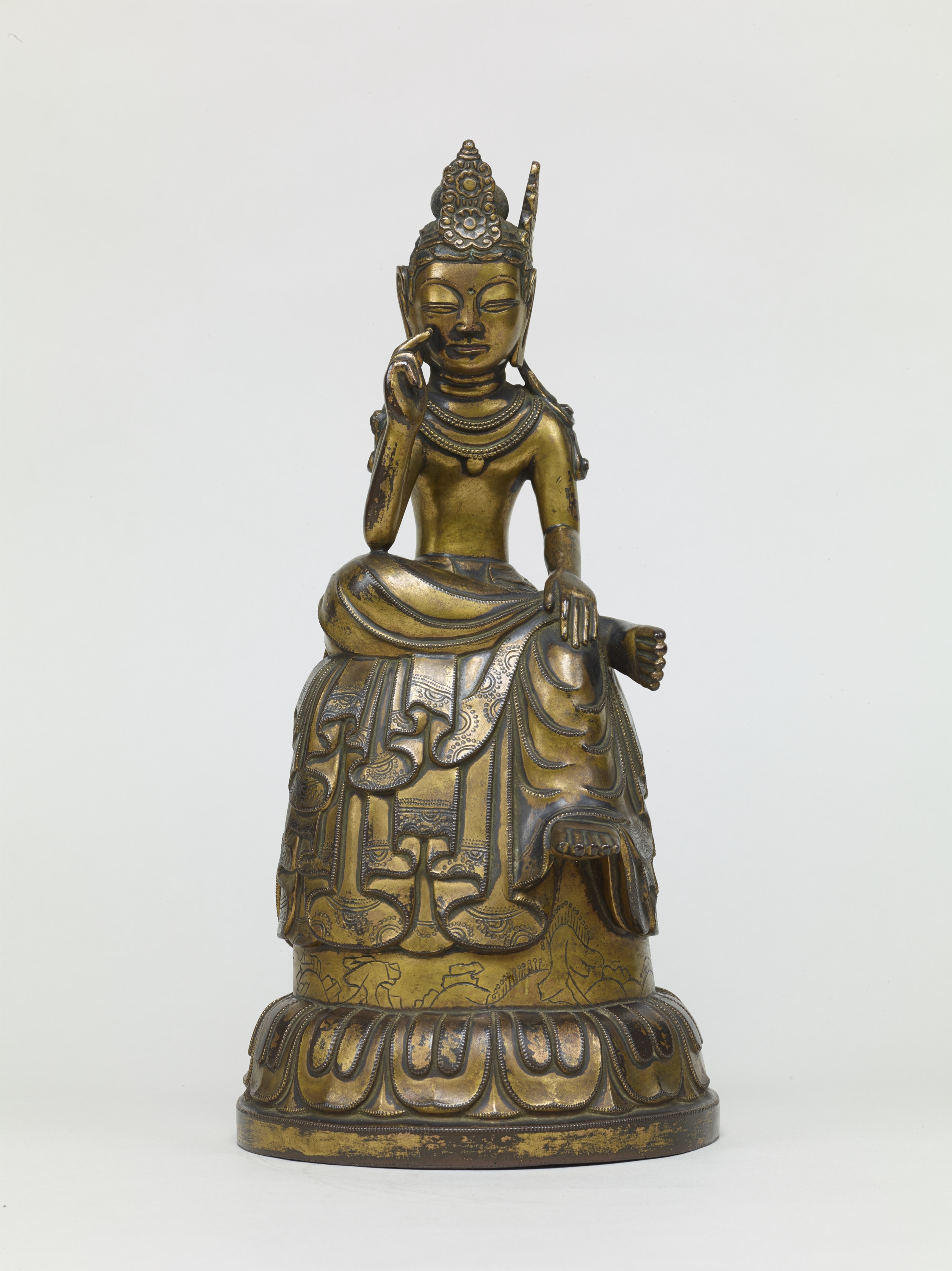
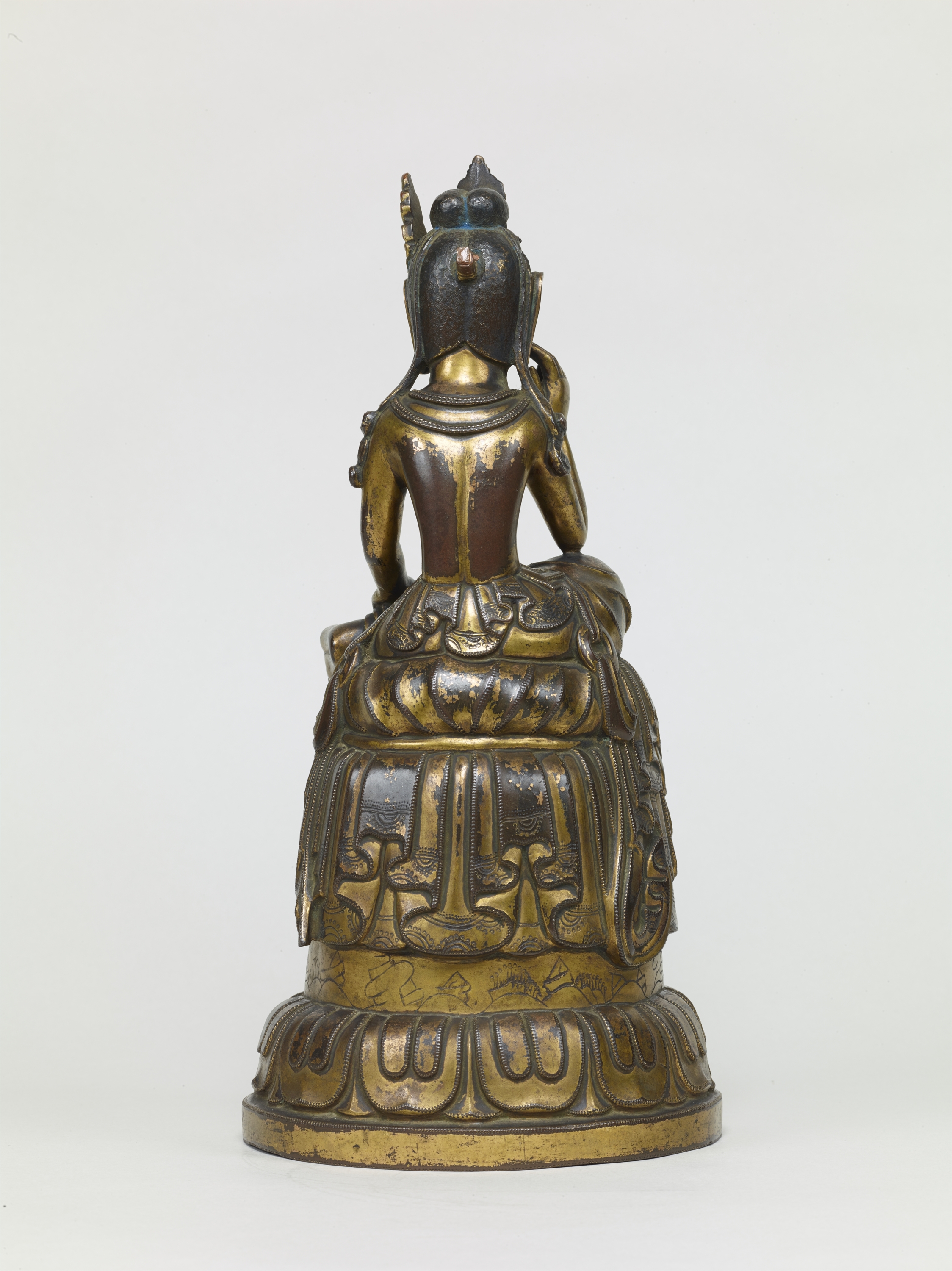
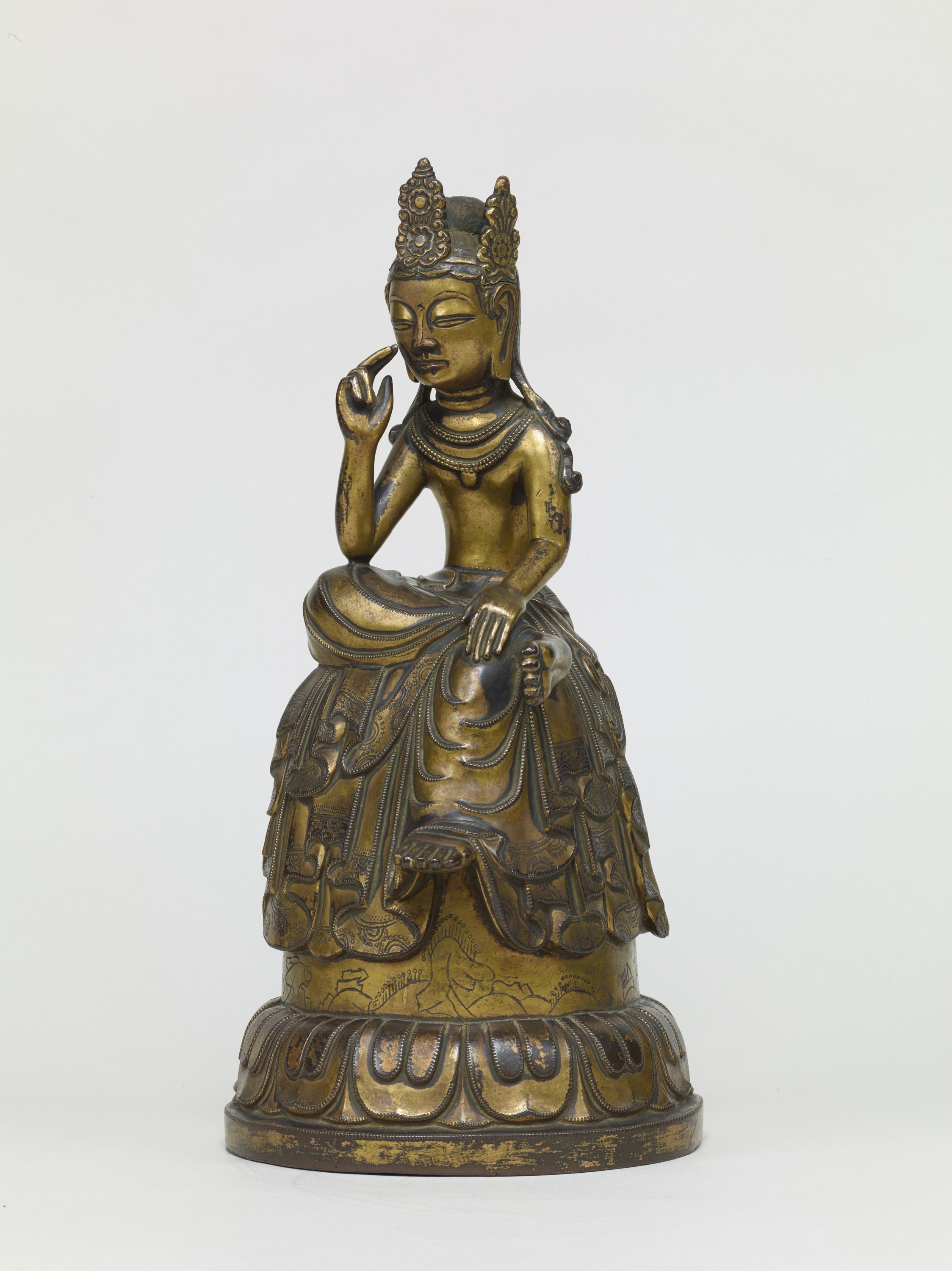
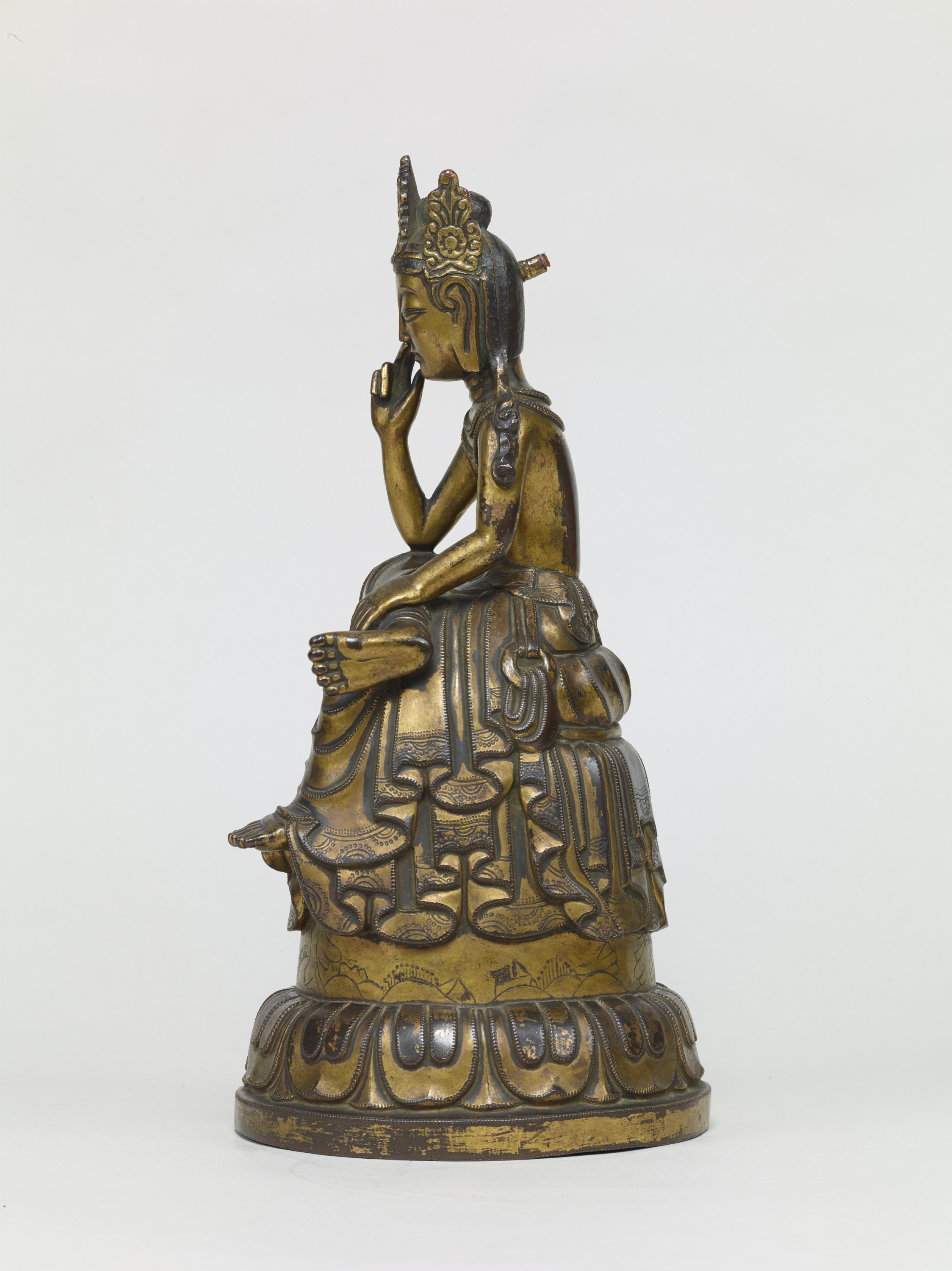
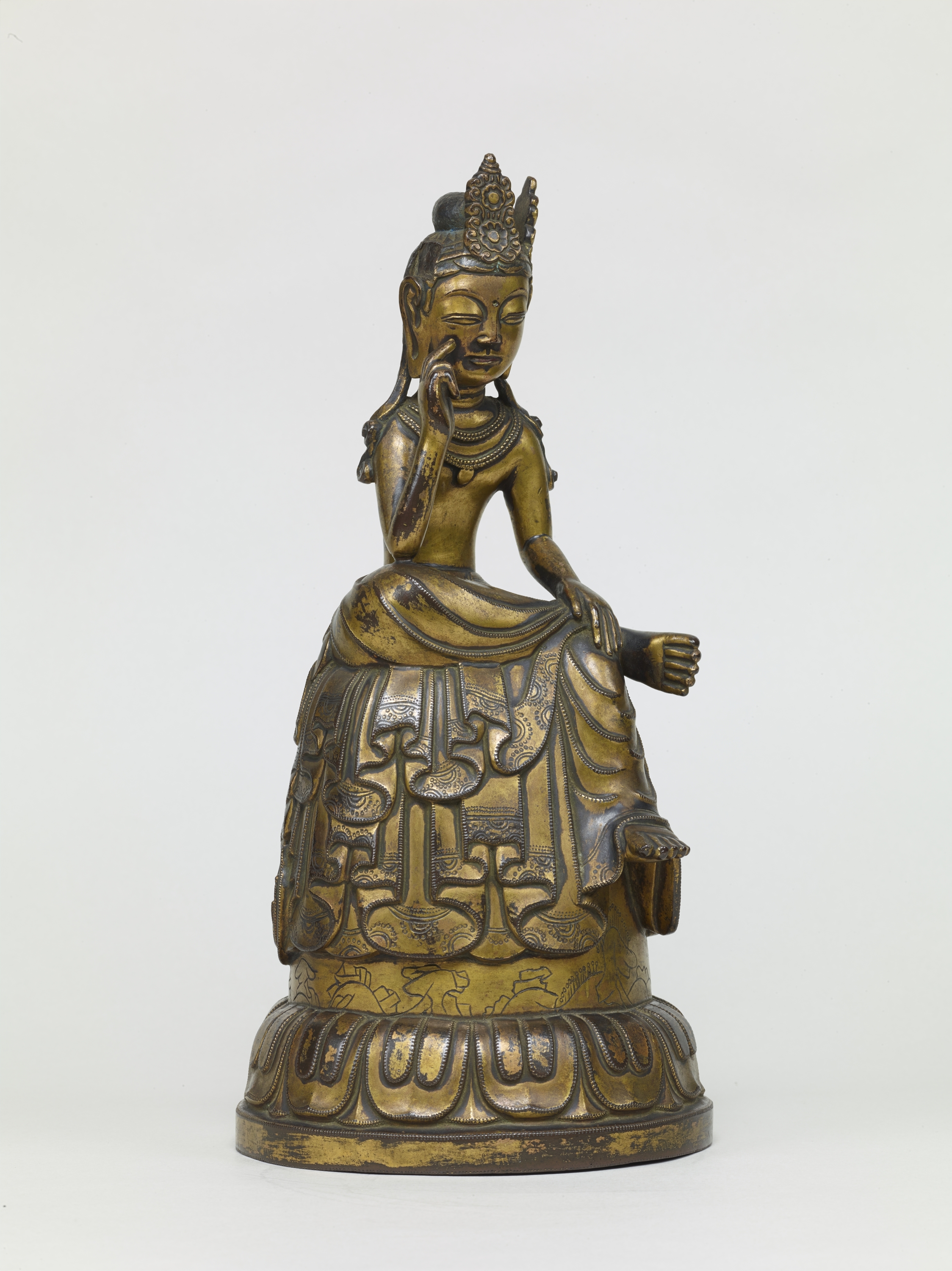
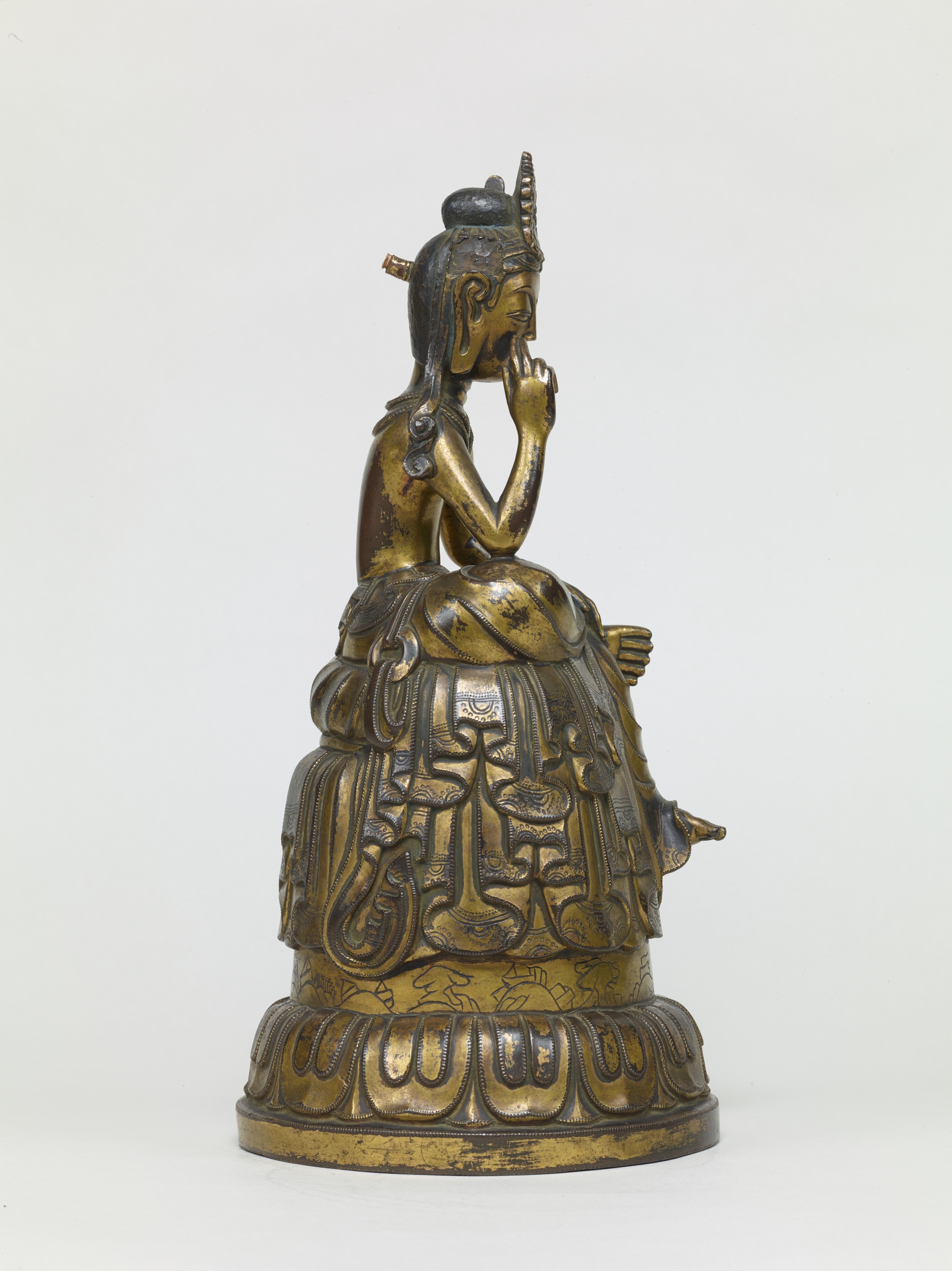 这件作品中,我们看到一位人物呈半跏坐姿(一腿盘于另一腿上),右手手指轻触面颊。此姿态源自古代印度犍陀罗(Gandhara)王国的菩萨像。后来,在中国南北朝时期,此姿态被用来表现佛陀本人出家修行前的悉达多太子形象。也有观点认为,在日本,此姿态用于描绘居住在兜率天(Tuṣita)天宫并精进修行的弥勒菩萨。有学说认为,此雕塑台座上的山峦图像意在表明该人物居于此种天界之中。其头部较大,身体纤细精巧,宛如童子。此类佛教造像风格流行于七世纪后半叶,即飞鸟时代(Asuka period)晚期。双眼皮亦为此时期造像常见特征。此作装饰丰富,衣缘及边饰上饰有连珠纹等图案。与飞鸟时代早期造像相比,此像侧面观之,身体表现更为自然,立体感更强。
Here we see a figure sitting with one leg crossed over the other and the fingers of the right hand touching the cheek. This pose originated in the Bodhisattva statues of the ancient India kingdom of Gandhara. Later, during the Northern and Southern dynasties period in China, this pose was used to represent the Buddha himself before he abandoned his life as Prince Siddhartha and dedicated himself to religious practice. It is also thought that in Japan, this pose was used to depict the Bodhisattva Maitreya, who resides in and pursues his religious training in the heavenly realm of Tusita. One theory suggests that the mountain images on the base of this sculpture are meant to signify that the figure resides in this kind of heavenly realm. The head is large and the body has a delicate physique, like that of a child. This style of Buddhist sculpture was popular in the latter half of the seventh century, towards the end of the Asuka period. The double eyelids were also often seen in the sculpture of this era. This work also features rich decoration, such as patterns of circles at the hems and borders of the garment. It differs from early Asuka period Buddhist sculptures in that the body appears more natural and has more depth when observed from the side.

